
Restoring a smile with dental implants is one of the most effective ways to regain full tooth functionality and aesthetics. While the prospect of undergoing oral surgery can feel intimidating, understanding the process helps remove the mystery. The procedure is structured, highly predictable, and broken down into distinct stages to ensure long-term success.
Beyond aesthetic appeal, replacing lost teeth protects your overall oral health structure. When a tooth is missing, neighboring teeth slowly shift into the empty space, causing bite misalignment and potential jaw discomfort.
Surrounding jawbone tissue also naturally deteriorates over time due to a lack of root stimulation. By restoring structural integrity directly beneath the gum line, this treatment preserves surrounding bone tissue and maintains your natural facial architecture. Embracing this comprehensive, step-by-step approach yields long-term health benefits, ensuring your smile remains strong, fully functional, and visually seamless throughout your daily routine for years to come.
Preparing for Your Transformation
The path toward a renewed smile begins long before any surgery takes place. Proper planning forms the foundation of every successful procedure, ensuring that your jawbone and overall health are ready for the upcoming changes.
The Initial Evaluation
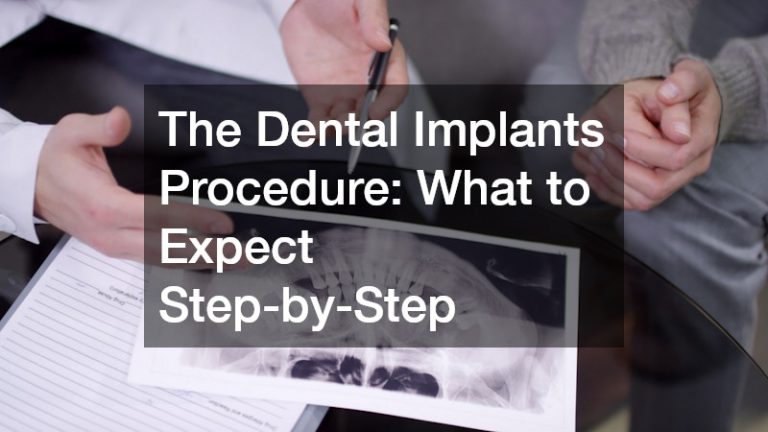
Your journey starts with a thorough consultation. During this meeting, an oral surgeon or dentist evaluates your oral cavity and reviews your medical history. Advanced imaging, such as digital three-dimensional scans, is performed to capture detailed views of your jawbone structure, nerve pathways, and surrounding teeth. These precise images allow your provider to determine whether you have sufficient bone density to support dental implants or if preliminary procedures are necessary.
Bone Grafting and Preparatory Work
If your jawbone lacks the density or thickness needed to anchor the post securely, a bone graft may be required. This additional step builds a solid base by placing natural or synthetic bone material into the weakened area. While waiting for a bone graft to heal adds a few months to the total timeline, it significantly enhances the stability and durability of the final result.
The Placement Phase
Once your jawbone is fully prepared, the surgical portion of the process can begin. This stage focuses on embedding the artificial tooth root directly into your jaw.
Day of Surgery
On the day of the procedure, local anesthesia or sedation is administered to keep you completely comfortable. Your dentist makes a small incision in the gum tissue to expose the underlying bone. Using specialized tools, a tiny pilot hole is carefully drilled into the site, and the titanium post is inserted deep into the bone. The gum tissue is then sutured closed over or around the post to protect the area as it begins to heal. Most patients report feeling surprisingly little discomfort during the placement itself thanks to effective modern numbing techniques.
The Power of Osseointegration
The most critical period of the entire process happens quietly behind the scenes over the next three to six months. During this phase, a natural biological phenomenon known as osseointegration occurs. The titanium post fuses directly with your living jawbone tissue, creating an unbreakable bond. This unique connection mimics the root system of a natural tooth, providing unmatched stability and preventing the bone loss that typically follows tooth loss.
Bringing Your New Smile to Life
After the post has successfully bonded with your jawbone, the final stage focuses on restoring the visible portion of your tooth.
Securing the Abutment
Once healing is complete, you will return for a quick follow-up appointment to attach the abutment. This small connector piece sits atop the titanium post and serves as the bridge between the root beneath your gums and the crown above. In some cases, a minor incision is made in the gum line to expose the top of the post before securing the abutment. Your gums will then need a week or two to heal around this new fixture.
Fabricating and Placing the Crown
With the abutment in place, custom impressions or digital scans are taken of your mouth. These measurements are sent to a dental laboratory, where technicians craft a custom prosthetic crown tailored to match the exact shape, size, and shade of your natural teeth. When your custom crown is ready, your dentist will attach it to the abutment, checking your bite alignment and making any necessary micro-adjustments.
Life After the Procedure
Recovery following the final placement is typically quick and straightforward. You might experience mild soreness or swelling in the days following surgery, but over-the-counter pain relievers and soft foods generally keep discomfort manageable.
Maintaining your restored smile requires the same consistent care as natural teeth. Regular brushing, flossing, and routine dental checkups will protect the surrounding gum tissue and ensure your restored tooth lasts for decades to come. By following each step of the journey, you invest in a permanent solution that restores both function and confidence to your daily life.