
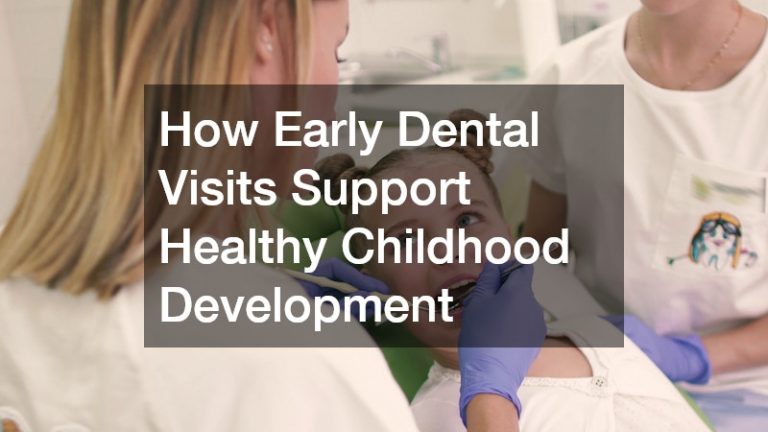

Early childhood is a critical period for building habits that influence health, confidence, and overall development. While nutrition, sleep, and education often take center stage, oral health is just as important and is frequently overlooked. Establishing strong oral hygiene routines at a young age helps children recognize the value of self-care, which can translate into better lifelong health outcomes. The habits children form early in life can shape how they care for themselves well into adulthood, impacting everything from their physical wellness to their sense of self-esteem.
Dental care is more than just maintaining a bright smile. It plays a direct role in physical health, speech development, social interaction, and even academic readiness. Starting dental visits early helps children become comfortable with care routines and reduces the likelihood of future complications.
By understanding how early dental visits contribute to a child’s growth and well-being, parents can take proactive steps that support long-term success in multiple areas of life.
Build Positive Dental Habits From the Start
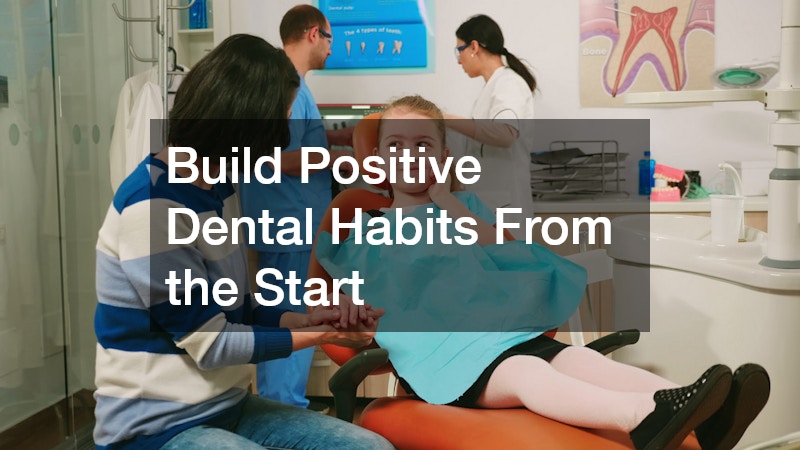
Introducing children to dental care early helps establish routines that feel natural rather than forced. When children begin visiting childrens dentists at a young age, they are more likely to view dental care as a normal part of life rather than something to fear.
A pediatric dentist is specifically trained to work with young patients, using techniques that make visits engaging and stress-free. These early experiences can shape a child’s attitude toward dental care for years to come.
Parents can reinforce these habits at home by:
- Creating consistent brushing and flossing routines
- Using age-appropriate tools and products
- Making oral care a positive and encouraging experience
- Leading by example with their own habits
Children who start early are more likely to carry these routines into adolescence and adulthood, reducing the risk of future dental issues. Establishing these habits can also foster a sense of pride and autonomy in self-care, encouraging children to take ownership of their overall health. Over time, these positive routines may even influence siblings or peers, creating a ripple effect that benefits the wider family or classroom community.
Create Familiarity With a Professional Care Environment
Early visits help children become comfortable with the sights, sounds, and structure of a dental office. This familiarity reduces anxiety and makes future visits smoother and more productive.
A trusted dentist plays a key role in building this comfort. Through gentle communication and patient interaction, children begin to understand what to expect during appointments.
Benefits of early exposure include:
- Reduced fear of dental procedures
- Increased cooperation during visits
- Better understanding of oral health practices
- Stronger trust between the child and provider
Over time, regular visits transform the dental office from an unfamiliar place into a routine part of a child’s life. This sense of routine can reduce anxiety and help children approach future healthcare appointments with greater confidence. As children become familiar with the staff and environment, they are more likely to communicate openly about their needs and concerns, fostering a trusting relationship with their provider. These positive experiences can set the stage for a lifetime of proactive healthcare habits.
Identify and Address Issues Before They Escalate
One of the most important benefits of early dental visits is the ability to detect problems before they become serious. Small issues, such as minor cavities or alignment concerns, can be addressed quickly when identified early.
Delaying care can lead to complications that may require more intensive treatment or even an emergency dental visit. Early checkups help prevent these situations by monitoring changes and addressing concerns proactively.
Parents should watch for signs such as:
- Sensitivity or discomfort when eating
- Visible spots or discoloration on teeth
- Difficulty chewing or speaking clearly
Regular visits to a dentist help identify and manage issues before they escalate, saving time, stress, and expense. Early intervention means that treatments are often simpler, less invasive, and more comfortable for children. This proactive approach can also minimize absences from school or daycare due to dental pain or emergencies. By catching problems early, families can avoid the disruption and anxiety that often come with more advanced dental issues.
Support Physical Health and Development
Oral health is closely linked to overall physical development. Healthy teeth and gums are essential for proper nutrition, as children need to chew effectively to support growth and energy levels.
A pediatric dentist monitors the development of teeth and jaw alignment, ensuring that everything progresses as expected. Family dentists can also provide continuity of care, supporting children as they grow and their needs change.
Key ways dental care supports development include:
- Promoting proper chewing and digestion
- Supporting clear speech development
- Monitoring jaw growth and alignment
- Preventing infections that could affect overall health
Consistent care helps ensure that children develop physically in a healthy and balanced way. Regular dental checkups allow providers to monitor growth patterns, identify issues with jaw or tooth alignment, and intervene early if problems arise. This not only supports proper chewing and speech development but also contributes to better nutrition and overall wellness. When oral health is prioritized alongside other aspects of development, children are better equipped to thrive both physically and academically.
Strengthen Social Confidence and Communication Skills
Oral health has a direct impact on how children communicate and interact with others. Issues such as tooth pain, misalignment, or visible decay can affect a child’s willingness to speak or smile.
In early learning environments such as preschool, children constantly interact with peers and develop social skills. A healthy smile can boost confidence and encourage participation.
Children in a pre k program benefit from strong oral health because it supports:
- Clear speech and pronunciation
- Positive self-image and confidence
- Willingness to engage in group activities
- Comfort in social settings
By addressing dental care early, parents can help their children feel more confident and prepared in social environments. A healthy, pain-free smile encourages children to participate more actively in group activities, express themselves without hesitation, and build positive relationships with peers and teachers. This boost in self-esteem can have a lasting effect on their social development and overall happiness, both in and out of the classroom.
Align Dental Care With Early Education Milestones
As children transition into structured learning environments, maintaining good health becomes even more important. Oral health plays a role in a child’s ability to focus, participate, and perform in school.
Kindergarten schools often emphasize the importance of overall wellness, including dental care. Children who are free from discomfort and confident in their appearance are better equipped to engage in learning activities.
In addition, routines developed during preschool years help children adjust to the structure of formal education. Consistent dental care supports:
- Better concentration and attention
- Reduced absences due to dental issues
- Improved readiness for learning environments
- Stronger daily routines that carry into school
Early dental visits contribute to a smoother transition into academic settings. Children who are familiar with dental routines are less likely to be distracted by discomfort or dental anxiety during class, allowing them to focus on learning and socializing with their peers. This foundation of health and confidence can help children adapt more easily to new environments and expectations as they advance through school.
Make Dental Care More Accessible for Families
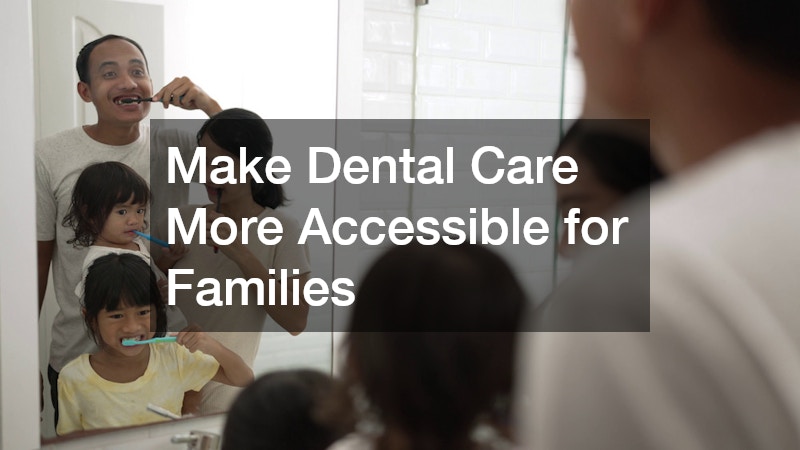
Access to quality care is an important factor in maintaining consistent dental visits. Understanding available resources and choosing the right providers can make a significant difference.
Working with local Delta Dental dentists can help families take advantage of insurance benefits and reduce out-of-pocket costs. Family dentists also provide convenience by offering care for multiple members of the household in one location.
Parents can improve access to care by:
- Reviewing insurance coverage and benefits
- Choosing providers within their network
- Scheduling regular appointments in advance
- Prioritizing preventive care over reactive treatment
Accessible care ensures that children receive consistent attention without unnecessary barriers. When dental offices are nearby, offer flexible scheduling, or provide resources in multiple languages, it becomes much easier for families to prioritize regular visits. Removing logistical, financial, or cultural barriers helps children receive the preventive care they need, reduces the risk of missed appointments, and supports better oral health outcomes across diverse communities.
Reduce Long-Term Costs Through Preventative Care
Preventive care is one of the most effective ways to manage long-term dental expenses. Regular checkups and cleanings help identify issues early, reducing the need for more complex and costly treatments.
Delaying care often leads to problems that require immediate attention, including an emergency dental visit. These situations can be both stressful and expensive.
By maintaining regular visits with a dentist, families can:
- Avoid costly procedures
- Minimize the risk of severe dental issues
- Maintain consistent oral health
- Plan for predictable care expenses
Preventative care not only protects health but also provides financial benefits over time. By catching minor concerns early, families can avoid unexpected expenses from emergency treatments or complex procedures. The cost of routine checkups and cleanings is generally much lower than that of restorative work, such as fillings, crowns, or extractions. Over the years, maintaining a proactive approach to dental care can contribute to overall family savings and help children develop a positive attitude toward long-term health maintenance.
Help Children Develop Independence and Responsibility
As children grow, they begin to take more responsibility for their own care. Early dental visits help teach them to manage their health independently.
Regular visits to children’s dentists reinforce the importance of routine and accountability. A familiar dental office environment also helps children feel comfortable taking ownership of their care.
Parents can encourage independence by:
- Teaching proper brushing and flossing techniques
- Setting reminders for daily routines
- Involving children in scheduling appointments
- Encouraging questions and participation during visits
These habits help children build confidence and develop a sense of responsibility that extends beyond dental care. As children take on more responsibility for their oral health, they learn valuable skills such as setting goals, tracking progress, and making choices that affect their well-being. This sense of ownership often carries over into other areas of life—such as schoolwork, personal hygiene, and social interactions—encouraging greater independence and decision-making as they grow.
Build a Long-Term Foundation for Lifelong Health

The benefits of early dental care extend far beyond childhood. Establishing strong habits and consistent care routines creates a foundation for lifelong health.
A pediatric dentist can guide children through various stages of development, while local Delta Dental dentists provide continuity and accessibility as needs evolve. As children grow, their dental needs change—from the eruption of baby teeth and the management of cavities to orthodontic assessments and wisdom tooth evaluation. Having trusted professionals familiar with your child’s history ensures recommendations are tailored, and transitions between providers are seamless. This ongoing support helps children and families feel confident as they navigate each phase of oral health, no matter how their needs shift over time.
Long-term advantages include:
- Reduced risk of chronic dental issues
- Greater confidence in maintaining oral health
- Strong relationships with trusted providers
- Improved overall well-being
By starting early, parents set the stage for a lifetime of healthy habits and positive experiences. Children who are comfortable with dental routines are more likely to maintain regular checkups, practice good oral hygiene, and seek care promptly throughout their lives. The ripple effect of these habits often leads to greater overall well-being, helping prevent not only dental issues but also reducing risks associated with poor oral health, such as speech delays or nutritional challenges.
Early dental visits play a vital role in supporting a child’s overall development. From building healthy habits and preventing issues to boosting confidence and supporting academic readiness, the benefits extend far beyond oral health. Establishing a dental home early gives families access to ongoing education, guidance, and support, making it easier to navigate changes as children grow and their needs evolve.
Taking a proactive approach allows parents to guide their children toward healthier routines, better outcomes, and greater confidence. With consistent care and the right support, children can develop habits that last a lifetime and contribute to their success in every stage of life. These positive routines can also inspire siblings and peers, creating a culture of health within families and communities that benefits everyone.