
When it comes to oral health, misinformation spreads easily. From advice passed down through generations to viral social media tips, many people grow up believing things about dental care that simply aren’t accurate. These myths can actually harm your teeth and gums if followed long-term.
Understanding the truth behind proper dental care is essential for maintaining a healthy smile and preventing costly dental issues. In this article, we’ll break down some of the most common misconceptions and explain what modern dental care actually recommends.
Myth 1: Brushing Harder Cleans Your Teeth Better
One of the most widespread beliefs is that brushing harder leads to cleaner teeth. In reality, this is false and can be harmful. Aggressive brushing can wear down enamel, irritate gums, and even cause recession over time.
Effective dental care is about technique, not force. A soft-bristled toothbrush and gentle circular motions are far more effective for removing plaque without damaging your teeth. Dentists recommend brushing for two full minutes twice a day, focusing on consistency rather than pressure.
Myth 2: You Only Need to See a Dentist When Something Hurts
Many people avoid regular checkups and only seek help when they feel pain. However, pain is often a late-stage symptom of a much larger problem. By the time discomfort appears, issues like cavities or gum disease may already be advanced.
Preventive dental care is designed to catch problems early before they become serious. Routine cleanings and exams help identify hidden concerns and keep your mouth healthy year-round. Waiting until something hurts often leads to more invasive and expensive treatments.
Myth 3: Sugar Is the Only Cause of Cavities
While sugar plays a role in tooth decay, it is not the sole cause. Cavities form when bacteria in the mouth feed on carbohydrates and produce acids that damage enamel. This means starchy foods like bread, chips, and pasta can also contribute to decay.
Good dental care involves more than just cutting back on sweets. It also includes maintaining a balanced diet, staying hydrated, and practicing consistent oral hygiene. Brushing and flossing regularly are essential for removing food particles that fuel harmful bacteria.
Myth 4: Whitening Toothpaste Can Dramatically Whiten Teeth
Whitening toothpaste is often marketed as a quick solution for a brighter smile, but its effects are usually minimal. These products can remove surface stains, but they do not change the natural color of your teeth or address deeper discoloration.
True dental care for whitening often involves professional treatments or dentist-approved options. Overusing abrasive whitening products can also wear down enamel over time, making teeth more sensitive. It’s important to have realistic expectations and understand what these products can and cannot do.
Myth 5: If Your Gums Bleed, You Should Stop Flossing
Bleeding gums often discourage people from flossing, but stopping is actually the worst thing you can do. Bleeding is usually a sign of inflammation caused by plaque buildup along the gumline.
Proper dental care includes daily flossing to remove debris and bacteria that brushing alone cannot reach. With consistent flossing, gum health typically improves, and bleeding decreases over time. If bleeding persists, it may indicate gum disease that requires professional attention.
Myth 6: Baby Teeth Don’t Need Much Care Since They Fall Out Anyway
Some parents assume that baby teeth are not important because they are temporary. However, this is a dangerous misconception. Baby teeth play a crucial role in speech development, chewing, and guiding permanent teeth into proper alignment.
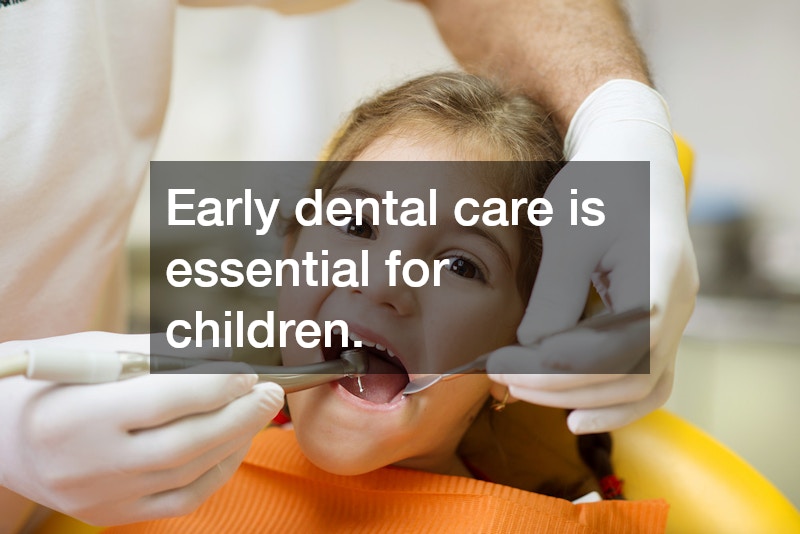
Early dental care is essential for children. Neglecting baby teeth can lead to pain, infection, and long-term orthodontic issues. Teaching good habits early sets the foundation for lifelong oral health and reduces future dental problems.
Understanding the Truth About Dental Care
Misunderstandings about oral health can lead to habits that damage your teeth over time. The truth is that effective dental care is based on prevention, consistency, and accurate information. Brushing gently, flossing daily, maintaining a balanced diet, and visiting the dentist regularly all play important roles in keeping your smile healthy.
By separating fact from fiction, you can make better decisions about your oral health and avoid unnecessary complications. Good dental care is not complicated, but it does require the right knowledge and habits.
Take Control of Your Dental Care Today
If you want to improve your oral health, the best time to start is now. Don’t let outdated myths guide your routine. Focus on proven dental care practices, stay consistent with daily hygiene, and schedule regular dental checkups. A healthier, brighter smile is built on small, smart choices made every day.